
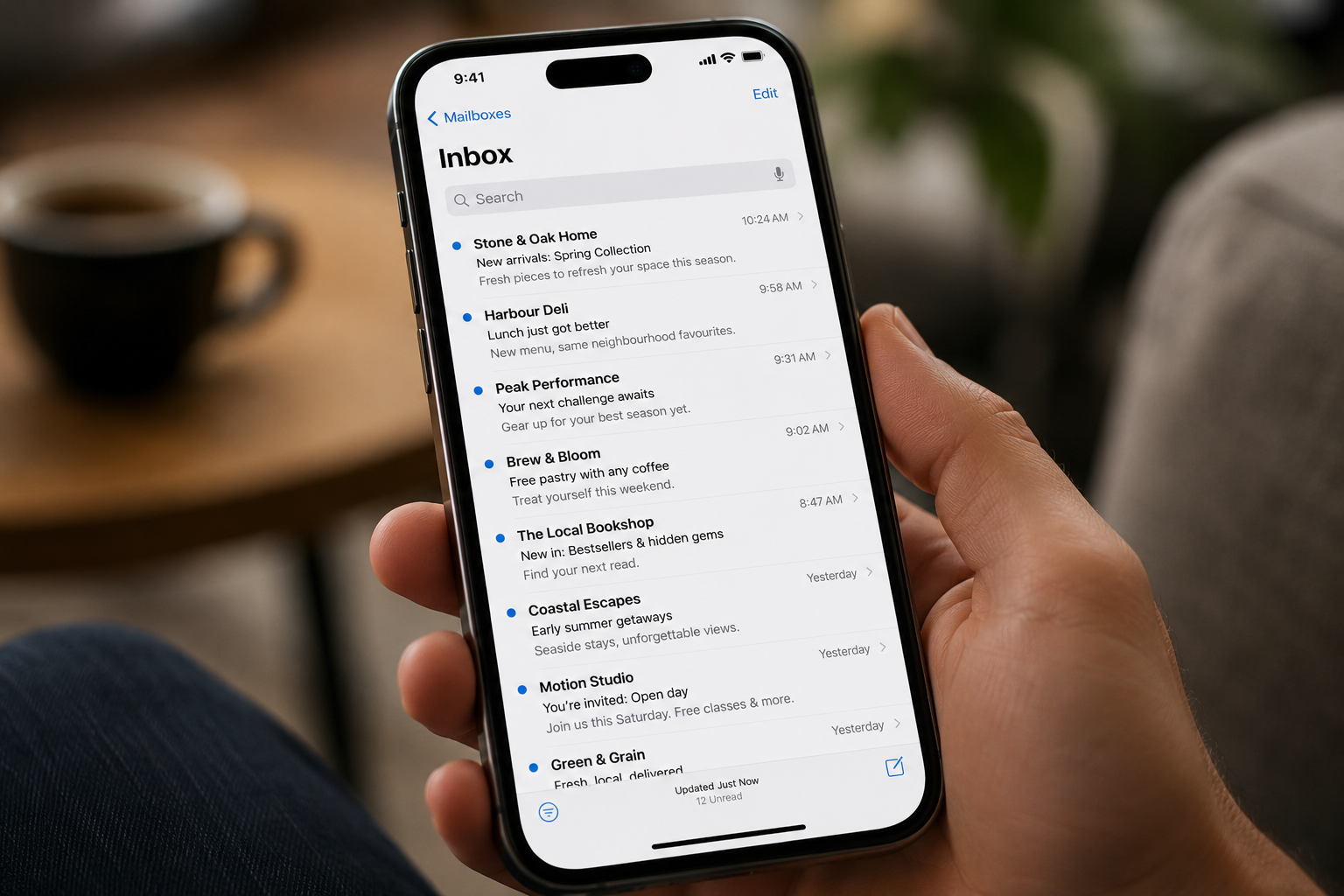
I get asked this question a lot and usually push back a little because open and click through rates are rarely the actual end goal.
The reason people ask this is because they assume more opens lead to more clicks, and more clicks lead to more conversions (bookings, purchases, repeat visits, etc).
There is some truth in that, but it misses something important. It assumes everyone in your customer list is equally interested in buying from you at this exact moment.
In reality, if you’re emailing 1,000+ people, some people are actively looking for what you offer, some are mildly interested, and some simply aren’t thinking about you right now.
That doesn’t mean email marketing doesn’t work. It means timing, trust and relevance matter.
Our job isn’t to force everyone to engage. Our job is to make sure the people most likely to convert pay attention when the timing is right, without exhausting everyone else’s attention in the process.
This is where many businesses go wrong.
Vague messages like “Check out this amazing offer” can increase open rates in the short term because curiosity gets people to click. But unless the recipient agrees it is actually amazing, you slowly train people to ignore you.
Over time, one of the biggest factors influencing whether people engage with your emails is their relationship with your business.
Take a look at your own inbox. The first thing most people do is look at who the email is from. Before opening it, you have probably already made a judgement about how interesting or useful it is likely to be.
That judgement is based on everything that business has sent you before.
Did they waste your time?
Were the emails useful?
Did they make good on what the subject line promised?
Did opening the email feel worth it?
This is where local businesses have a huge advantage.
Companies like Argos or McDonald’s are trying to communicate with hundreds of thousands of people with completely different interests, habits and motivations. A local restaurant, golf club, café or attraction has a much better chance of being genuinely relevant to the people on its list.
You know your customers better. You serve a specific audience. You are part of the local area.
That gives you a real opportunity to build familiarity and trust over time.
So the better question is probably not:
How do I improve my open and click through rates?
It is:
How do I sustainably drive more conversions from my audience?
In most cases, the answer is to become a sender people trust to be relevant.
So what does that mean in practice?
Transparency
Unless there is a very good reason your customers know you personally, use your business name as the sender name.
Be specific with your subject lines too. People should have a good idea what the email is about before opening it.
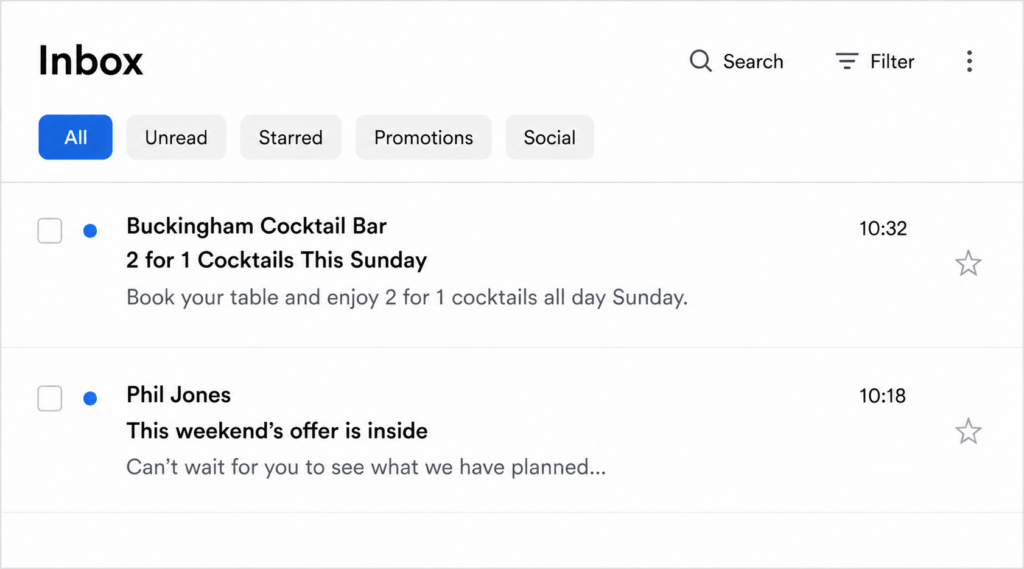
The goal is not to trick people into opening. The goal is for the right people to want to open.
Easy to read
Once opened, the email should be easy to read and easy to act on.
Don’t bury important information in paragraphs of text.
Within a couple of seconds, people should understand:
- what it is
- when it is
- why it matters
- how they get it
If people have to work hard to understand your email, most simply will not bother.
Consistency
Over time, customers begin to understand what to expect when they see your name in their inbox.
If you regularly send clear, relevant and useful emails, people become more likely to pay attention.
And when the timing is right — when they are ready to book, visit or buy — you are far more likely to be the business they engage with.